Natural, Traditional, Wholesome: Three Claims, Three Different Questions
Natural, traditional, and wholesome describe different things. Learn what each food claim can tell you—and what to check before deciding what fits.
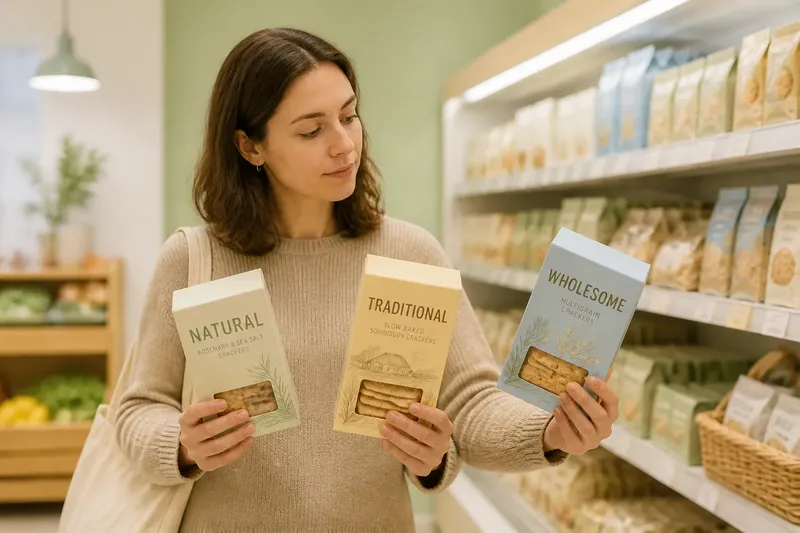
“Natural,” “traditional,” and “wholesome” can sit side by side on a package, but they do not answer the same question. For anyone comparing food claims, the useful move is to ask what each word describes—and what it leaves unstated. A label might refer to an ingredient, a way of making a food, or a broad impression of its character. None, by itself, gives a complete account of what is in the package or how it fits your needs.
That distinction matters in an ordinary aisle decision. A shopper choosing bread for a sandwich may care about ingredients, texture, taste, or a dietary need. A claim can help direct attention, but it is not a substitute for the details that answer the particular question. Treat these words as prompts to inspect, not verdicts to accept or reject.
Natural asks what the claim describes
“Natural” often sounds like a description of the whole food, though it may be used to suggest something narrower: an ingredient’s origin, a limited kind of processing, or a general impression of simplicity. The word on its own does not tell you which meaning the maker intends. Nor does it necessarily settle questions about the food’s nutrition, production, or suitability for a specific diet.
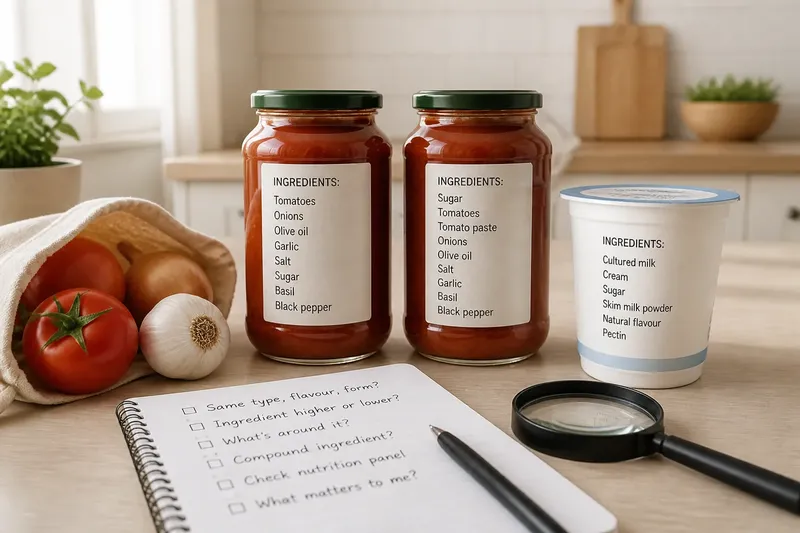
Look for nearby wording that makes the claim more precise. Does the package say what is natural, or explain which ingredient or feature it means? Then compare that wording with the ingredient list and the rest of the label. A natural flavor claim, for instance, is not the same kind of statement as a claim that the whole product is minimally processed. The more specific the language, the easier it is to assess what it actually covers.
Consider “natural” a useful cue when your question concerns the stated feature and the package explains that feature plainly. If your question is about sugar, allergens, salt, or a particular ingredient, the word does not answer it. Go directly to the label information relevant to that concern rather than relying on the broad impression.
Traditional asks what practice or history is being invoked
“Traditional” points toward a connection with a customary recipe, method, or food culture. But the word does not say how long a practice has been followed, by whom, or whether the packaged version closely resembles a particular household or regional preparation. A package may use the term to evoke a familiar style while giving little detail about the reference behind it.
For a shopper seeking a recognizable taste or style, the claim may be a starting point. Look for concrete clues such as a named preparation, a description of the method, or ingredients associated with the food you have in mind. If those details are missing, the claim may still communicate the maker’s intended character, but it cannot establish a precise lineage or tell you how every part of production is handled.
Traditional also does not mean unprocessed, nutritionally superior, or identical to a home-cooked version. Recipes change across places and families, and packaged foods are made for a particular product and market. If your decision depends on an exact ingredient or technique, seek that detail instead of asking one broad word to carry the whole explanation.
Wholesome asks for a judgment, not a single property
“Wholesome” is the most openly evaluative of the three. It suggests that a food is good or nourishing in some broad sense, but the package may not state the criteria behind that judgment. One shopper may associate the word with familiar ingredients; another may be thinking about how a food fits into meals. Those are different considerations, and the claim does not tell you which one is intended.
When “wholesome” catches your attention, translate it into a question you can answer. Are you looking for a filling snack, a food that suits a dietary restriction, or something with a taste and texture your household enjoys? The relevant label details differ. Nutrition information can help with some comparisons, ingredients with others, and neither can determine whether a food is personally satisfying or appropriate for every eater.
It is not worth trying to rank foods by how wholesome their packaging sounds. That turns a loose judgment into a false measuring scale. Instead, name the feature that matters for this purchase, then check the part of the label that addresses it.
Choose a claim by the question you are trying to answer
Different shopping situations call for different kinds of evidence. The same product can suit one person’s purpose and fail another’s, without either person needing to decide whether the package’s overall language is “true” in some universal sense.
- If you want clarity about a particular ingredient: Start with the ingredient list and any specific claim about that ingredient. “Natural” may be relevant only if the package explains exactly what it modifies.
- If you want a familiar style of food: Treat “traditional” as a pointer. Check for a named style, preparation, or other detail that connects the package to the taste or method you seek.
- If you want a food for a particular dietary need: Check the label information that addresses that need, including applicable allergen statements. A broad “wholesome” or “natural” claim cannot replace a specific suitability check.
- If you are deciding whether a snack fits your day: Consider the portion you expect to eat, the nutrition information that matters to you, and how the food fits alongside other meals. “Wholesome” does not make that decision on your behalf.
- If you want to understand how a product is made: Look for a clear process description or other relevant detail. “Traditional” may hint at a method, but it does not describe every production choice.
For example, imagine you are choosing crackers for a lunchbox and see “natural,” “traditional,” and “wholesome” across three packages. If your starting point is a child’s need to avoid a named allergen, you would check the relevant label statements and ingredient information, then choose a product that fits that need; the expected observable result is a choice based on the stated allergen information rather than the broad front-of-package wording. If the question is instead which cracker has the style you prefer, the useful evidence may be the flavor and preparation description. The right claim to attend to changes with the question.
What can these claims tell you, and what can’t they?
Does “natural” mean a food is minimally processed?
Not necessarily. The word alone does not describe the full sequence of processing or identify exactly which features it refers to. Look for a specific explanation of the claim or a process description if processing is the question you need answered.
Does “traditional” identify a food’s cultural origin?
It may suggest a customary style or recipe, but it does not establish a precise cultural history by itself. A named cuisine, region, preparation, or other detail is more informative than the broad term alone.
Is “wholesome” a nutrition claim?
It expresses a favorable judgment, but the word itself does not specify a nutritional measure or tell you which qualities the maker has in mind. Use the nutrition information and ingredient details that match your own question.
Can a food be natural, traditional, or wholesome and still not suit me?
Yes. A broad package claim does not establish that a food meets a particular dietary need, matches your preferences, or works for a specific meal. Check the relevant label details and decide against your own requirements.
Use the claim as a lead, then look for its scope
These words are not interchangeable, and none needs to be dismissed automatically. “Natural” invites a question about the stated feature; “traditional” points toward a practice or style; “wholesome” offers a broad value judgment. Their usefulness depends on whether the package tells you enough to connect the word to the food itself.
Before placing a product in your cart, ask what decision you are making and which part of the label can answer it. If the claim is specific, relevant, and supported by details you can inspect, it may help. If it remains vague, set it aside and use clearer information. That small distinction keeps the package’s language in its proper place: one clue among several, rather than a complete account of what reaches your table.